
Most punters hear blackjack card counting tips and picture a hoodie in a smoke-filled backroom. The reality is closer to a quiet arvo session where you track ratios, manage your bankroll, and know exactly when to step away. Counting works by keeping a running tally of high versus low cards so you can spot when the deck leans in your favour, but it only pays when you pair it with solid discipline and a venue that actually deals real shoes. Before you chase an edge, you need to understand how the maths translates to the felt and where the real traps sit.
The focus: turning the count into a practical edge

Card counting is not mind reading; it is bookkeeping with a tempo. You assign values to cards, keep a running count as they drop, and convert that into a true count by factoring in decks remaining. The moment the true count climbs, you size your bets up, because the remaining deck now holds a higher proportion of tens and aces. That shift changes both your hit and stand decisions, and it shifts the house edge just enough to matter over a long session.
The trick is treating the count like a rhythm section rather than a solo. In my honours jazz training, we learned that a line only works when it sits inside the band’s time feel, and the same applies here: your bet spreads, your camouflage, and your exit rules all need to lock together. A messy spread draws attention, while a flat, boring table presence lets you work the count without tipping off the floor. If you want the legal picture on whether this approach crosses a line in different jurisdictions, our piece on is card counting legal in blackjack lays out the rules, risks, and online play angles without the Hollywood gloss.
The biggest error I see from players chasing blackjack card counting tips is overbetting on a thin edge. A true count of +2 does not hand you a winning hand; it simply tilts the probability fraction richardcasino-play.net a few points your way. You still lose individual hands, you still hit bad variance, and you absolutely still need a stop-loss that respects your bankroll. The count tells you when to press, not when to gamble.
How the maths actually translates to the felt
Keeping the count honest under pressure
A clean count starts with a simple system and the discipline to stick with it through a messy shoe. Most working punters begin with a balanced single-level count because it is easier to convert to a true count on the fly, and it keeps your mental arithmetic from collapsing when the dealer is pushing cards fast. You track every card that leaves the shoe, adjust for the decks still sitting in the shoe or the discard tray, and let the true count guide your bet sizing rather than your gut.
I have spent fifteen years building gaming maths and product flows, and the lesson that keeps coming back is that edge only survives when the process is repeatable under friction. A count that falls apart when the table gets busy or the cocktail waitress is hovering is not an edge, it is a headache. Practise with a single deck at home, then move to two and six decks while you add the distraction of a ticking clock. The goal is not to count perfectly in silence; it is to count accurately while the floor is doing its job.
Bet sizing and camouflage that actually holds up
Your bet spread is where theory meets the surveillance camera. A sharp jump from the table minimum to a large bet the instant the true count turns positive is the fastest way to get explained and reshuffled out of the game. A measured spread that grows gradually, with occasional flat bets even on favourable counts, looks far more like a recreational player and far less like a system. The maths still works, because you are still betting more when the deck is hot, but you are doing it inside a pattern that does not scream counting.
This is where my production background matters: every session needs a clear run sheet, and every run sheet needs a braking point. Set a session loss limit, a win goal, and a hard stop on the number of shoes you will play before you walk. The count can hand you a streak of favourable shoes, but variance does not care about your spreadsheet. If you want to keep the edge alive, you treat the table like a gig with a set list, not a slot machine with a guaranteed payout.
Matching the approach to real Australian play
Real blackjack card counting tips only matter if the table you are sitting at actually supports the work. A six-deck shoe with early surrender, decent penetration, and a dealer who stands on soft 17 gives you something to work with; a continuous shuffler or a table that cuts the shoe at half a deck turns the whole exercise into a expensive hobby. Before you commit time to a venue, check the penetration, the rules on doubles and splits, and whether the shuffle style lets a count survive past the mid-shoe mark.
For punters in Adelaide looking at local rooms, the practical test is whether the floor lets a quiet, disciplined player run a modest spread without getting flagged. Some rooms move fast and shuffle early, which kills any edge before it has a chance to breathe, while others deal deeper and let a patient player work through a session. If you are weighing up where to start, you can check the current sign-up flow and first-session details at uptownpokiesnodepositcodes.net, but remember that an online sign-up bonus is a separate game from a live shoe and does not replace the discipline you need at the felt.
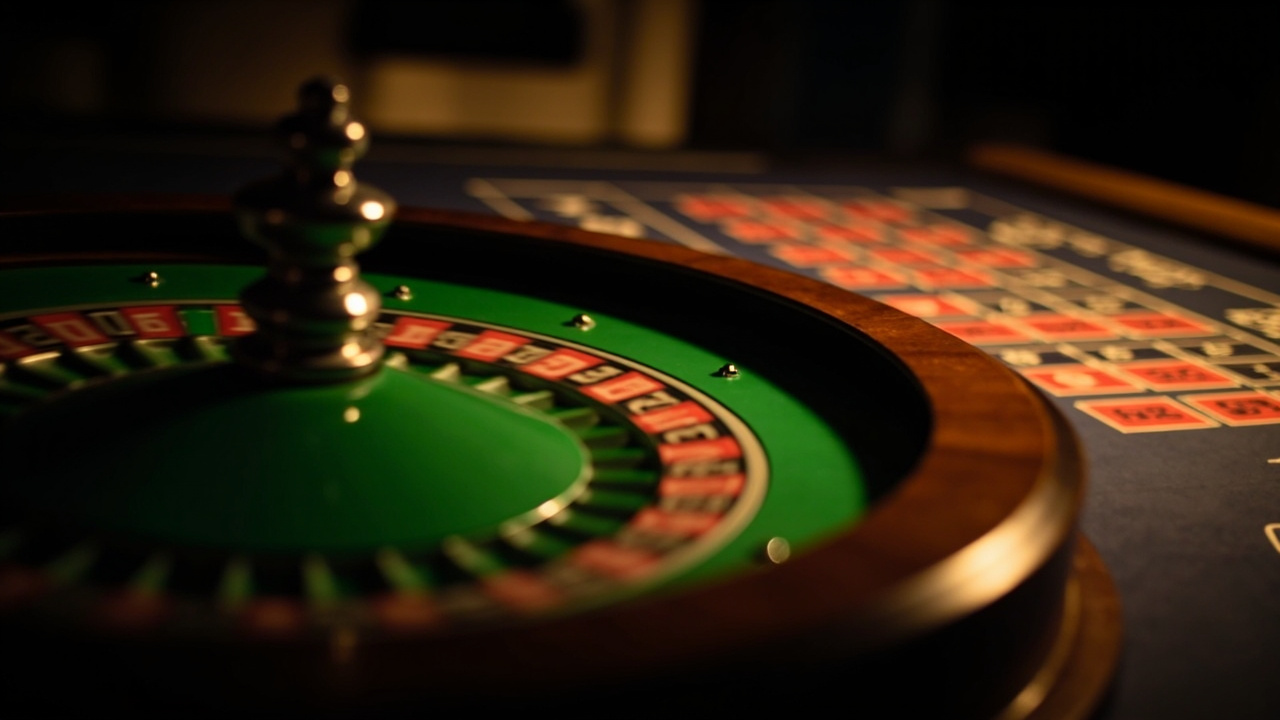
The smartest approach is to watch how the shoes are cut before you commit any chips. If the pace suits your style, you can settle in for a longer run without drawing unwanted attention. Before you decide on a venue, it helps to read up on how different jurisdictions handle the practice, which you can explore further at card counting legality overview.uptownpokiesnodepositcodes.net
Lucas Campbell, Head of Analytics at Banksia Betting Partners, puts it plainly: “The count is a probability tool, not a promise, and the players who survive are the ones who size bets to the edge instead of to the mood.” That is the whole game in one line. You are not trying to beat every hand; you are trying to be in the right position, with the right bet, when the deck tilts, and you are out before the tilt turns back.
- true count: the running count divided by the estimated number of decks still in play, used to size bets and adjust basic strategy.
- penetration: how far into the shoe the dealer deals before shuffling, which determines whether a count has enough cards left to matter.
- bet spread: the ratio between your smallest and largest wagers, managed to capture edge while staying under the radar.
So here’s the real question for anyone sitting in with a clipboard and a plan: if the count only tilts the odds a few points and the variance still bites on a bad night, would you rather be the player who walks with the maths intact, or the one who explains a big bet to the floor manager and wonders where it all went?